
Written by AskAnAdventistFriend Writers
Are you concerned about sunlight’s negative effects? You might be the one who lathers on the sunscreen and covers up when you go outside. Or maybe you avoid being outside as much as possible.
You might be surprised, then, to learn that small amounts of exposure to direct sunlight trigger your body to make vitamin D—a vital nutrient—and can make a positive difference in physical, mental, and spiritual health. Research is showing sunshine may reduce the risk of autoimmune disease, cardiovascular disease, and cancer, while boosting levels of endorphins in your brain to make you feel good.
Follow us as we go over:
- 10 health benefits of sunlight
- What sun exposure has to do with spiritual health
- How much sunlight we need
- How to get more sun
10 health benefits of sunlight
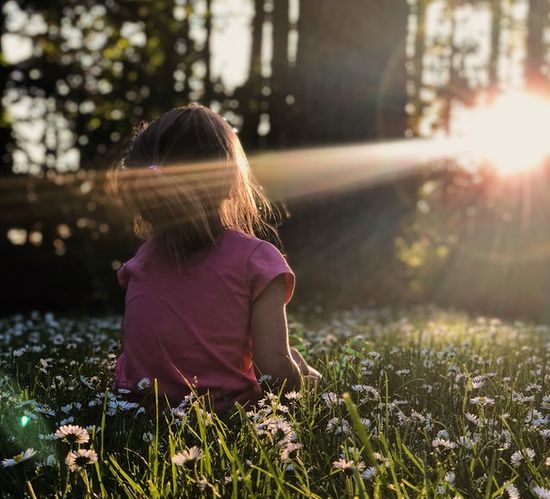
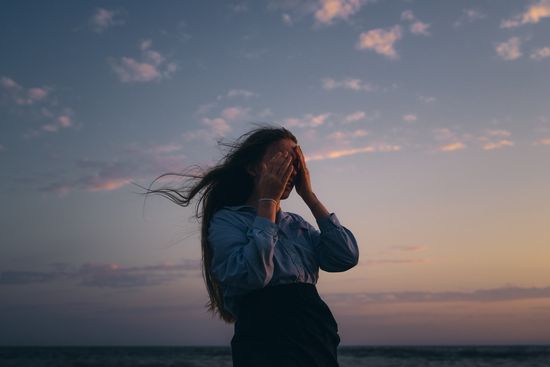
Photo by Melissa Askew on Unsplash
Ultraviolet (UV) rays from the sun stimulate the production of vitamin D and other important hormones like serotonin and melatonin in our bodies.1 The result is a whole array of benefits:
- Increased bone health
- Decreased risk of sickness
- Decreased risk of cancer
- Improved blood pressure
- Better sleep
- Better mental health
- Improved ability to think
- Balanced hormones
- Better eye health
- Better skin health
Let’s explore each one of these health benefits a little more.
1. You’ll have stronger bones
UVB light helps your body produce higher levels of vitamin D, which will, in turn, help your body absorb calcium, allowing your body to form stronger bones.
On the other hand, a lack of vitamin D can lead to bone conditions like osteoporosis, rickets, osteomalacia, and weak teeth.
A study published in the American Journal of Clinical Nutrition also noticed the link between vitamin D deficiency and muscle weakness. Older individuals with low vitamin D levels had a greater risk of falling than those with enough vitamin D.2
2. You’ll get sick less
High vitamin D levels may boost the immune system, too. People with higher amounts of it in their bloodstream seemed to have a lower chance of getting respiratory tract infections such as the cold or flu.3
And some other research may help us understand why:
Researchers at the University of Copenhagen found that vitamin D helps stimulate certain kinds of immune cells called killer T cells. Without vitamin D, these cells “remain dormant” instead of fighting bacteria and viruses.4
The vitamin D obtained from sunshine can also produce regulatory T cells which can potentially decrease the chances of developing autoimmune diseases like multiple sclerosis.5
So if you want to mobilize your body’s defense systems, make sure you’re getting enough sunlight!
Aside from boosting the immune system, sunlight benefits you by acting as a disinfectant. It’s the reason your grandma used to hang her laundry outside to dry: Sun rays kill bacteria.6
3. You’ll reduce your risk of cancer
The vitamin D produced by sunlight can also decrease cancer risk. This is because vitamin D, in many cases, stops the growth of cancer cells.7
In this way, high vitamin D levels may also decrease the risk of colon, pancreatic, ovarian, and breast cancer.8 We should note, though, that it doesn’t help with all kinds of cancer; stomach and prostate cancer are two exceptions.9
4. You’ll have lower blood pressure
In response to the sun, the cells produce a chemical called nitric oxide, which opens up the blood vessels, allowing for easier blood flow.10
A study published in the Journal of the American Heart Association noted that spending time in the sun seemed to lower the blood pressure levels of participants.11 This, in turn, can help lower chances of developing cardiovascular disease.
5. You’ll sleep better
Sunlight helps your body produce melatonin, a hormone that regulates your circadian rhythm and sleep during the night. Artificial light, though, does not have the same effect as natural light.12
6. You’ll improve your mental health
Ever heard of SAD? It stands for seasonal affective disorder, a “type of depression that’s related to changes in seasons.”13
People can get SAD when they don’t have enough sunlight or daylight exposure.14 It’s a common occurrence for people who live in higher latitudes, especially near the Arctic Circle where the sun emerges for only a few hours during the day in the winter.15
A study by Brigham Young University noticed something similar: People experienced greater “mental health distress” during the winter months when there was less time between sunrise and sunset.16
One of the primary ways to prevent or cope with SAD is to get more natural light or use a light box that mimics natural light.
But for the majority of us that don’t live in those darker regions, we can take advantage of sunlight year-round.
As light enters the eyes, it triggers the production of neurotransmitters, chemicals in the brain that affect many aspects of the body, including mood. In this way, sunlight can boost levels of serotonin—a hormone that stimulates happiness.17
But turns out, sunlight helps your brain in other ways too.
7. You’ll think better
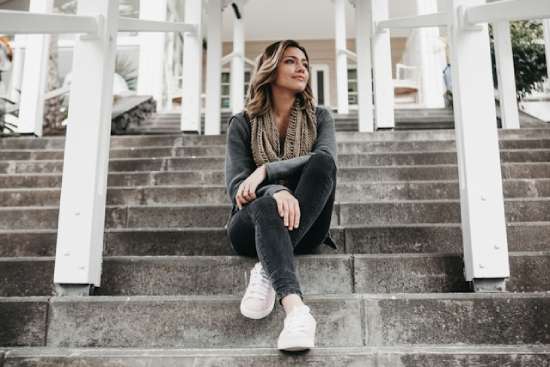
Photo by Candice Picard on Unsplash
We all want to be more alert, think more clearly, and focus better. Sunlight might play into that as well!
Spending time in the sun increases the blood flow to the brain and boosts the production of neurotransmitters. These neurotransmitters help you pass messages between nerve cells in the brain, allowing you to think and focus better.18
8. Your hormones will be more balanced
Spending time in the sun may help with hormone balance.
Studies found that men who spent one hour in the morning sunlight had an increase in luteinizing hormone, a chemical that encourages reproductive health. Studies have also found that sunlight helped women experience more balanced menstrual cycles.19
9. It may help your eyesight
Sunlight exposure may decrease the development of nearsightedness, or myopia. Vitamin D stimulates the development of the eye, the release of dopamine to “regulate the sclera,” and prevention of eye elongation, which can lead to myopia.20
Nevertheless, too much time in the sun could also hurt your eyes. So be sure to wear sunglasses if you’re spending a lot of time outdoors.
10. It may improve skin conditions
Sunlight may help with skin conditions like psoriasis21 and eczema.22
While Dr. Melissa Piliang, a dermatologist at the Cleveland Clinic, cautions against excessive sun exposure, she agrees that light therapy can actually improve various skin conditions.23
But the benefits of sunshine don’t stop there! Sun exposure can also improve spiritual health.
How sun exposure affects spiritual health
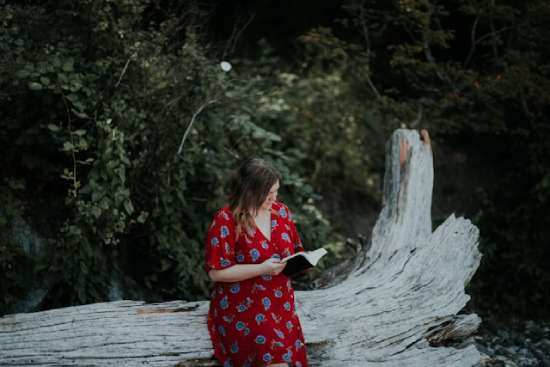
Photo by Priscilla Du Preez 🇨🇦 on Unsplash
Sun exposure can improve spiritual health through many different avenues—whether cheering us up with its bright light or benefitting our mental health so that we can have clearer minds to connect with God.
After all, our physical, mental, and spiritual well-being are not independent from one another. The more sunlight improves our mental and physical health, the more it’ll improve our spiritual health, too.
The Adventist Church has long since recognized the connection between physical, mental, and spiritual health. As a matter of fact, one of our early founders, Ellen White, was quick to draw a connection between spiritual and physical health when she outlined basic principles of health:
“Pure air, sunlight, abstemiousness, rest, exercise, proper diet, the use of water, trust in divine power—these are the true remedies.”24
She promoted these principles of health, calling sunlight a “blessing from heaven” and “one of nature’s most healing agents.”25
Long before scientific research confirmed the benefits of the sun, she encouraged people to spend time outdoors in “the glad sunshine” and to allow light into their homes.26 She taught that time in nature—and sunlight—could improve mental health and provide opportunities for spiritual reflection.27
During the Creation week, God made the sun to be our primary light source and called it “good” (Genesis 1:14–18). Thus, looking at the beauty of nature can call our attention back to that account—reminding us of how much thought and care God put into creating our world.
So, with all these benefits, we’re ready to go get some sun. But before then, we need to answer an important question: How much sun exposure is too much?
How much sunlight do we need?
Moderate sun exposure is good for us, but we need to make sure we don’t get too much.
Dr. Neil Nedley, an award-winning physician who runs the Nedley Depression and Anxiety Recovery program, talks about the importance of sunlight in his book, The Lost Art of Thinking.
It’s in this book that Dr. Nedley offers the following public health recommendations:
“Each day, get 5 to 30 minutes in the sun between 10 a.m. and 4 p.m. without wearing sunscreen. Make sure that your face, arms, hands, and legs are exposed to the sun. People with fair skin will need less time, while those who are older and have darker skin need to spend more time in the sun to get the same amount of vitamin D.”28
There’s reason to be careful about exposure to the UV rays of the sun. Getting too much sun can lead to a higher risk of:
- Sunburn
- Wrinkles and early skin aging
- Skin cancer like melanoma
That’s why people who spend a lot of time in the sun should take special care to protect their skin.
The World Health Organization recommends you wear sun protection, typically a sunscreen of SPF 15 or higher, good sunglasses, a hat, and even a light, long-sleeved shirt to protect the skin on your arms and shoulders.29
Of course, be sure to follow the medical advice of your primary healthcare provider. Take special caution if you take any medications that make your skin sensitive to bright lights or UV radiation.
While excess sun exposure can be dangerous, most of us have the opposite problem: We suffer from a lack of UV light! What can we do about that?
How can we get more sun?

Photo by Filip Urban on Unsplash
Here are some ways Adventists get in those 5 to 30 minutes of sunlight. They just might work for you too!
- Exercising outdoors—whether jogging, walking, going for a bike ride, or doing some other form of enjoyable exercise
- Working in the garden or yard
- Allowing light indoors—opening up those curtains and blinds
- Eating a meal outside or having a picnic with a friend
- Standing or sitting in the sunshine for a short time
If you live in a region of the world that gets significantly less sunlight during certain parts of the year, you may want to try the following tips to continue experiencing the benefits of sunlight:
- Be intentional about finding and sitting in the sun whenever possible, particularly in the morning
- Get light therapy from a light box or expose yourself to blue light for 15 to 20 minutes in the morning30
- Take a vitamin D supplement (be sure to check with your doctor first)
Let some sunshine in!
God created sunlight to be a blessing for humans. It provides us with warmth, light, and health benefits.
In our broken and imperfect world, we have to be careful to protect our skin from the dangers of sunlight. But this doesn’t mean we should avoid it. We need to soak up some sun to produce vitamins and hormones that are necessary for our health and well-being.
We just have to take a moderate approach!
Why don’t you give it a try? Get 5 to 30 minutes of sunshine each day and discover how God’s gift of light can revolutionize your health!
- “Vitamin D: Fact Sheet for Health Professionals,” National Institutes of Health. [↵]
- Janssen et al., “Vitamin D Deficiency, Muscle Function, and Falls in Elderly People,” American Journal of Clinical Nutrition, 75 (4), 2002, pp. 611–615. [↵]
- Duval, William, “Low Vitamin D Levels Associated with Colds and Flus,” National Institutes of Health. [↵]
- “Vitamin D Crucial to Activating Immune Defenses,” ScienceDaily, March 8, 2010. [↵]
- “Sunlight and Vitamin D Findings May Help Understanding of Autoimmune Diseases,” University of Aberdeen. [↵]
- Holland, Kimberly, “Want to Kill Dangerous Bacteria? Open Your Blinds,” Healthline, Nov. 28, 2018. [↵]
- Holick, Michael, “Vitamin D, Sunlight, and Cancer Connection,” Anticancer Agents Med Chem, 13(1), 2013, pp. 70–82. [↵]
- Ibid. [↵]
- Cristol, Hope, “Myths and Facts about Cancer and Vitamin D,” WebMD. [↵]
- Holliman, Graham, “Ultraviolet Radiation-Induced Production of Nitric Oxide,” Scientific Reports, Sept. 11, 2017. [↵]
- “Could Sunshine Lower Blood Pressure? Study Offers Enlightenment,” American Heart Association News, Feb. 28, 2020. [↵]
- Nedley, Neil, The Lost Art of Thinking (Nedley Publishing, Ardmore, OK, 2011), p. 239. [↵]
- “Seasonal Affective Disorder,” Mayo Clinic. [↵]
- “Seasonal Affective Disorder: More Than the Winter Blues,” American Psychological Association, 2014. [↵]
- Haggag et al., “Seasonal Mood Variation,” Acta Psychiatrica Scandinavica, 81(2), pp. 141–145. [↵]
- Moss, Rachel, “Sunshine Improves Mental Wellbeing, with Dark Months Linked to Emotional Distress, Study Finds,” HuffPost, April 11, 2016. [↵]
- Nedley, p. 238. [↵]
- Kent et al., “Effect of Sunlight Exposure on Cognitive Function Among Depressed and Non-Depressed Participants,” Environmental Health, 8(34), 2009. [↵]
- Nedley, p. 239. [↵]
- Ho, Ciao-Lin, Wei-Fong Wu, and Yiing Mei Liou, “Dose–Response Relationship of Outdoor Exposure and Myopia Indicators,” Int J Environ Res Public Health, 16(14), p. 2595. [↵]
- “How the Sun Can Benefit Some Skin Conditions,” Cleveland Clinic. [↵]
- Ames, Hana,“Is the Sun Good for Eczema?” Medical News Today. [↵]
- “How the Sun Can Benefit Some Skin Conditions.” [↵]
- White, Ellen, The Ministry of Healing (Pacific Press, Mountain View, CA, 1905),p. 127. [↵]
- White, Ellen, Testimonies for the Church, vol. 2 (Pacific Press, Mountain View, CA, 1868), pp. 530, 527. [↵]
- Ibid., pp. 264, 275. [↵]
- White, Ellen, The Ministry of Healing, pp. 261-267. [↵]
- Nedley, p. 246. [↵]
- “Radiation: Sun Protection,” World Health Organization. [↵]
- Nedley, p. 240. [↵]
Want to learn more about Adventists and healthy living?

More Answers

Kwa Nini Waadventista wa Sabato Huabudu Siku ya Jumamosi?
Waadventista huabudu siku ya saba ya juma kwa sababu Mungu aliifanya Jumamosi kuwa siku takatifu wakati wa uumbaji. Jifunze ni nini kinachofanya siku hii kuwa maalum kwa Waadventista.
¿Por qué los Adventistas del Séptimo Día Adoran el Sábado?
Los adventistas adoran en el séptimo día de la semana porque Dios hizo del sábado un día santo en la creación. Aprende qué hace que este día sea tan especial para los adventistas.
Por que os Adventistas do Sétimo Dia Adoram a Deus no Sábado?
Os adventistas adoram a Deus no sétimo dia da semana porque Deus fez do sábado um dia santo na criação. Saiba o que torna este dia tão especial para os adventistas.

Understanding the Parable of the Hidden Treasure (Matthew 13:44)
Here’s what the “Hidden Treasure” parables shows us about God’s love.

6 maneras de saber si alguien es un verdadero profeta
La Biblia habla tanto de profetas verdaderos como falsos y nos da una guía específica sobre cómo probar a los profetas y sus afirmaciones. La Escritura es nuestra defensa contra el engaño.

6 Maneiras de Saber Se Alguém É Um Verdadeiro Profeta
A Bíblia fala tanto de profetas verdadeiros quanto falsos e nos dá orientações específicas sobre como testar profetas e suas reivindicações. A Escritura é nossa proteção contra o engano.
Njia 6 za Kujua Ikiwa Mtu Ni Nabii wa Kweli
Biblia inazungumzia manabii wa kweli na wa uongo na inatupa mwongozo maalum juu ya jinsi ya kuwajaribu manabii na madai yao. Maandiko ni kinga yetu dhidi ya udanganyifu.

O Que É um Encontro de Acampamento Adventista do Sétimo Dia?
Embora as reuniões de acampamento não tenham começado com a Igreja Adventista do Sétimo Dia, são tão característicos dos adventistas quanto o “junta panelas”.
¿Qué es un campamento Adventista del Séptimo Día?
Aunque los campamentos no comenzaron con la Iglesia Adventista del Séptimo Día, son tan propias de los adventistas como las pilas de heno.
Mkutano wa Kambi wa Waadventista wa Sabato ni Nini?
Ingawa mikutano ya kambi haikuanza na Kanisa la Waadventista wa Sabato, ni jambo la msingi sana katika utamaduni wa Waadventista.

Mungu Anataka Nitumie Vipi Pesa Zangu?
Pesa inaweza kutumika kwa namna nyingi tofauti. Pata kanuni za Kibiblia za kusimamia mapato yako kutoka matumizi, akiba, uwekezaji hadi kutoa.
¿Cómo quiere Dios que use mi dinero?
La Biblia ofrece sabiduría sobre las mejores formas en que podemos usar nuestro dinero. Aprende lo que la Biblia dice sobre el diezmo, las ofrendas, proveer, deudas, ahorros, inversiones y presupuesto.
Como Deus quer que eu use o meu dinheiro?
A Bíblia oferece sabedoria sobre as melhores maneiras de usar o dinheiro. Aprenda o que as Escrituras dizem sobre dízimo, ofertas, provisão para a família, dívidas, poupança, investimentos e orçamento.

Je, Waadventista Wasabato Wana “Sheria” Kuhusu Kampuni za Nguo?
Je, Waadventista Wasabato Wana "Sheria" Kuhusu Nguo?Katika ulimwengu wa leo, mitindo inaweza kuwa jambo kubwa, hasa miongoni mwa vijana. Baadhi ya dini, kama vile Amish, Wayahudi wa Orthodox, au Wamormoni, wana kanuni maalum za mavazi au aina maalum za nguo, iwe kwa...
¿Tienen los Adventistas del Séptimo Día “reglas” para la vestimenta?
Muchas religiones tienen pautas sobre el vestuario, pero ¿qué hay de la Iglesia Adventista? Descubre cómo los adventistas eligen vestirse basados en principios bíblicos.
Os Adventistas do Sétimo Dia têm “regras” para marcas de roupas?
No mundo de hoje, a moda pode ser muito importante, especialmente entre os jovens.

Wanavyoamini Waadventista wa Sabato Kuhusu Tabia ya Kikristo
Je! Imani zetu zinapaswa kuathiri tabia zetu? Jifunze kile Biblia inachosema kuhusu tabia ya Kikristo na kuishi maisha kwa ajili ya upendo kwa Yesu.
Lo que los Adventistas del Séptimo Día creen sobre la conducta cristiana
Lo que los Adventistas del Séptimo Día creen sobre la conducta cristianaLos patrones de acciones y palabras que conforman el comportamiento son centrales para cualquier tipo de sistema de creencias porque fluyen de ellas. Los Adventistas del Séptimo Día buscamos en la...
O Que os Adventistas do Sétimo Dia Acreditam Sobre o Comportamento Cristão
Nossas crenças devem afetar nosso comportamento? Descubra o que a Bíblia diz sobre o comportamento cristão e viver uma vida em amor por Jesus.

Biblia Inasemaje Kuhusu Kutatua Migogoro
Ukikabiliana na mgogoro mgumu? Jifunze mahali mgogoro ulipoanzia na kanuni za Biblia unazoweza kuzitumia kukusaidia kutatua mgogoro.
Lo que dice la Biblia sobre resolver conflictos
¿Enfrentando un conflicto complicado? Aprende dónde comenzó el conflicto y algunos principios bíblicos que puedes usar para ayudar a resolver conflictos.
O Que a Bíblia Diz Sobre Resolver Conflitos
Enfrentando um conflito complicado? Saiba onde o conflito começou e alguns princípios bíblicos que você pode usar para ajudar a resolver conflitos.

J. N. Andrews Alikuwa Nani, na Alichangia Nini katika Uadventista?
John Nevins Andrews (1829–1883) alikuwa kiongozi mwenye mvuto katika siku za awali za Kanisa la Waadventista wa Sabato.
Quem foi J. N. Andrews e como ele contribuiu para o Adventismo?
John Nevins Andrews (1829–1883) foi um líder influente nos primeiros dias da Igreja Adventista do Sétimo Dia.
¿Quién fue J. N. Andrews y cómo contribuyó al Adventismo?
John Nevins Andrews (1829–1883) fue un líder influyente en los primeros días de la Iglesia Adventista del Séptimo Día.

William Miller: Kufufua Tumaini la Kurudi kwa Yesu Mara ya Pili
William Miller alikuwa mkulima mwanzoni mwa miaka ya 1800 ambaye alimpa Mungu maisha yake na akaanza kujifunza Biblia yake kwa bidii.
William Miller: Reviviendo la esperanza de la segunda venida
William Miller fue un agricultor a principios de 1800 que entregó su vida a Dios y comenzó a estudiar intensamente su Biblia.
William Miller: Revivendo a Esperança da Segunda Vinda
William Miller: Revivendo a Esperança da Segunda VindaWilliam Miller era um fazendeiro no início de 1800 que entregou sua vida a Deus e começou a estudar intensamente sua Bíblia. Esse estudo o levou a algumas conclusões inesperadas, nomeadamente que Jesus Cristo...

Wanavyoamini Waadventista Wa Sabato Kuhusu Huduma ya Yesu Katika Patakatifu pa Mbinguni
Yesu anafanya nini sasa hivi?